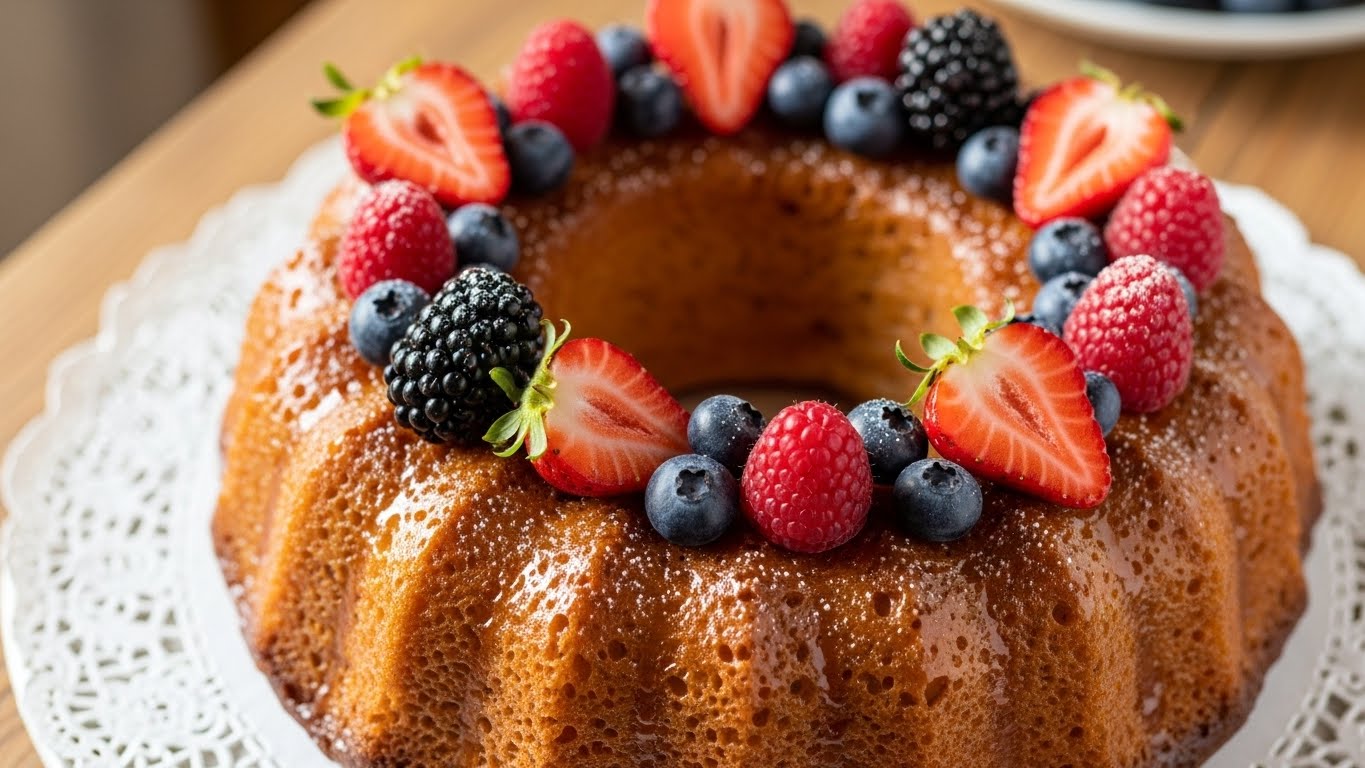
The Historical Origins of Savarin
Savarin traces its roots back to 19th-century France and is named after Jean Anthelme Brillat-Savarin, a famous gastronome and food writer. The dessert evolved from earlier yeast-based cakes that were soaked in syrup, a technique popular in French patisserie at the time. Over the years, pastry chefs refined the recipe, giving savarin its signature airy texture and polished presentation.
What Makes Savarin Different from Other Desserts
Unlike dense cakes, savarin is made with a yeast-leavened dough, similar to brioche, which allows it to absorb flavored syrup without becoming heavy. Its ring shape helps distribute moisture evenly, ensuring every bite is soft and flavorful. This unique structure is one of the reasons savarin has remained a favorite in traditional bakeries.
The Flavor Profile of Savarin
Savarin is mild and buttery on its own, but its true character comes from the syrup it absorbs. Typically infused with rum, citrus, or vanilla, the syrup enhances the cake without overpowering it. The result is a dessert that feels rich yet light, offering sweetness balanced by subtle aromatic notes.
Popular Variations of Savarin
While the classic savarin is soaked in rum syrup, modern variations include fruit juices, liqueurs, or spiced syrups. Many versions are finished with whipped cream, custard, or fresh fruit placed in the center of the ring. These adaptations allow savarin to suit different tastes while preserving its traditional base.
Why Savarin Remains a Timeless Dessert
Savarin has endured because it adapts easily to changing preferences without losing its identity. Its elegant look, customizable flavors, and refined taste make it relevant across generations. Whether served in a fine-dining restaurant or a home kitchen, savarin continues to represent the artistry and balance of classic pastry-making.
How Savarin Is Enjoyed Today
Today, savarin appears in both traditional patisseries and modern dessert menus. Chefs often reinterpret it with seasonal flavors or contemporary plating while respecting its origins. This ability to evolve while staying true to its roots is what keeps savarin cherished by dessert lovers worldwide.